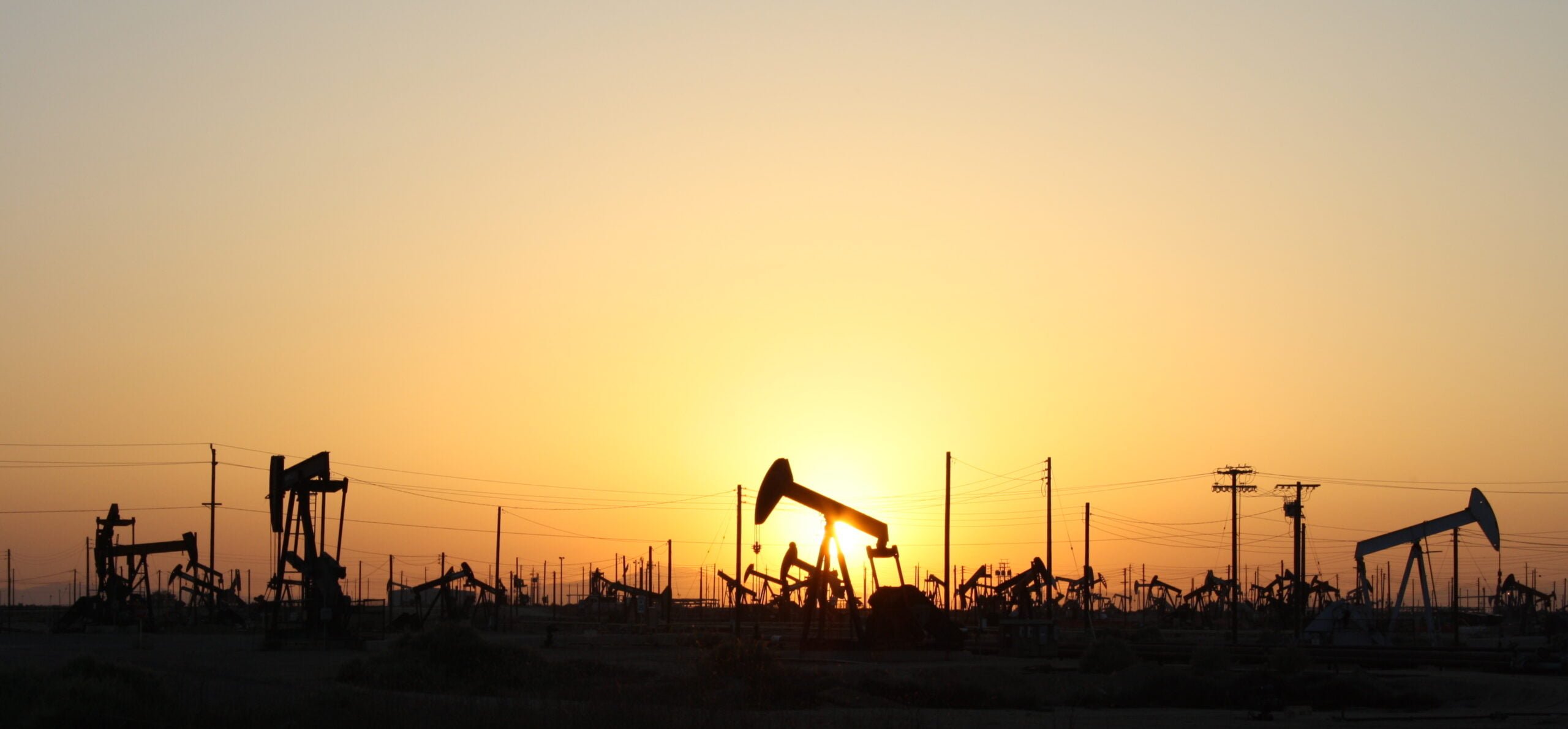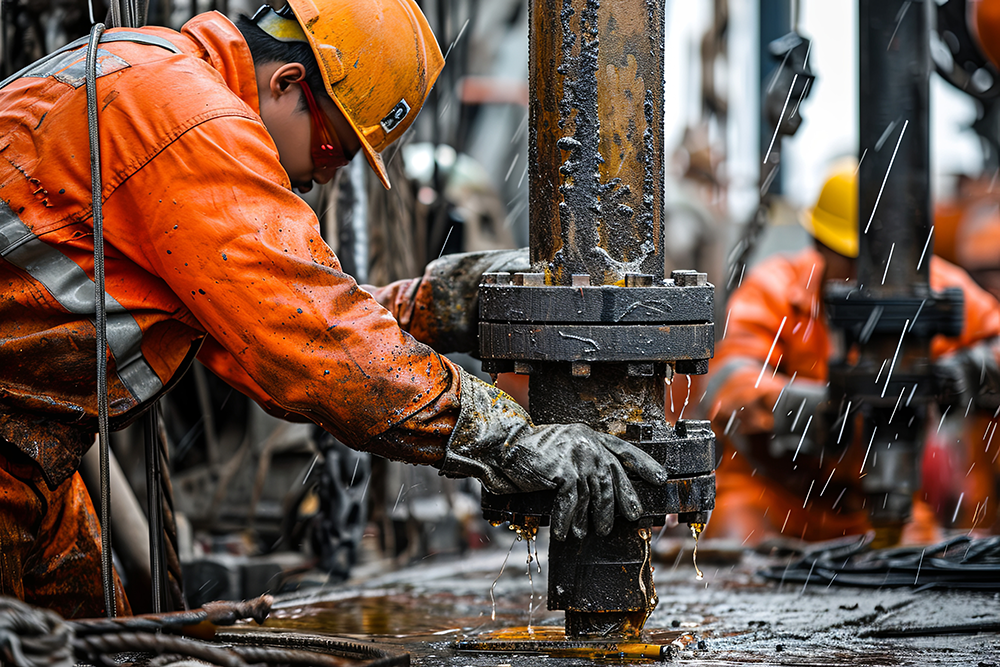
The oilfield is a complex and demanding environment, requiring a variety of specialized tools to ensure efficient and safe operations. From drilling to production, each stage in the oil extraction process utilizes specific equipment designed for particular functions. Here, we catalog 20 common types of oilfield tools, including the essential tubing anchor.
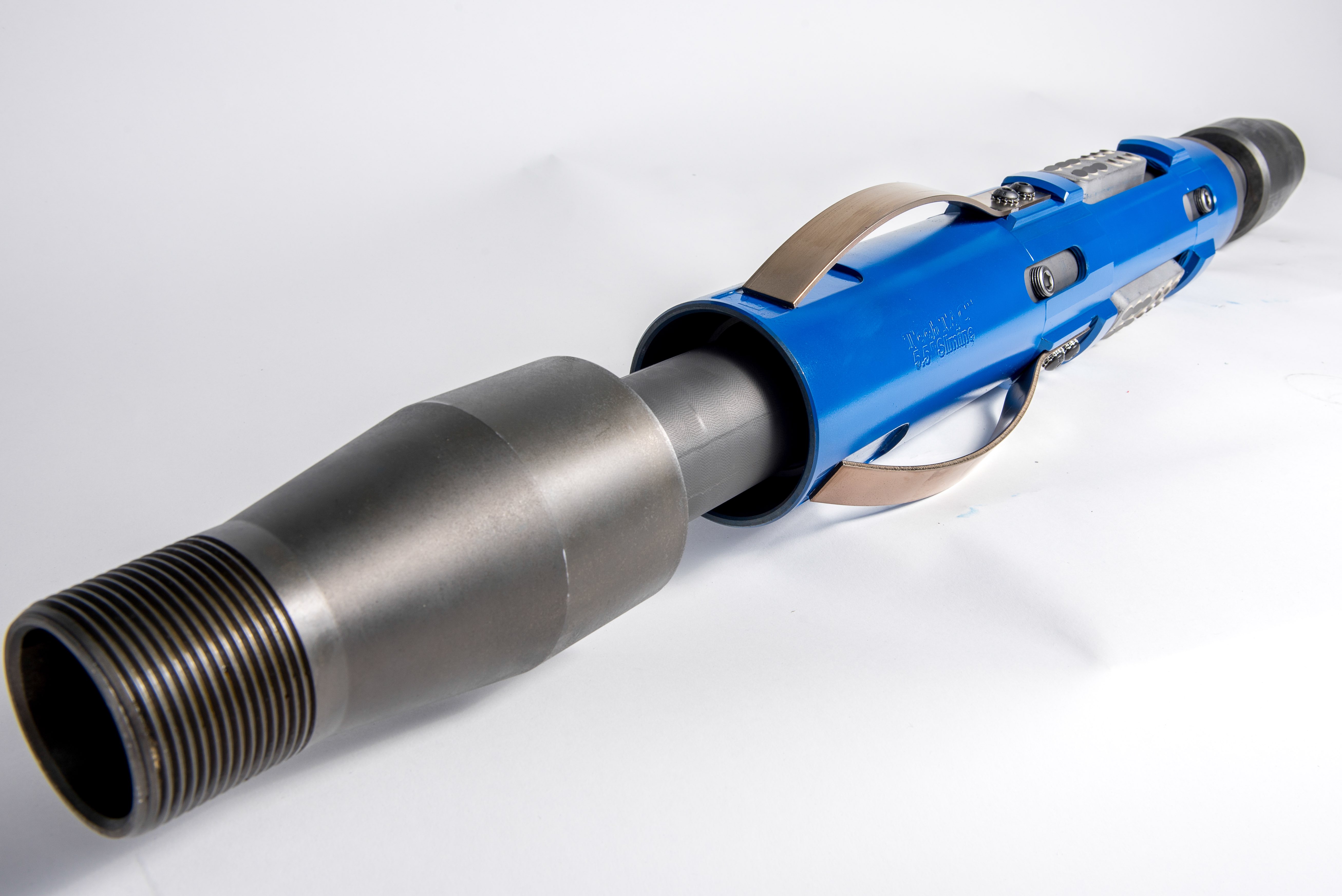
1. Tubing Anchor
A tubing anchor is crucial in preventing the tubing from moving up and down inside the well, stabilizing the production string during pumping operations. As a result, it ensures efficient energy transfer and prevents wear on other components. TechTAC® is the industry’s premier provider of tubing anchor solutions.
2. Drill Bit
The drill bit is the cutting tool attached to the bottom of the drill string. It is designed to cut through rock formations to create the borehole. Different types of drill bits, like tricone and PDC bits, are used depending on the rock hardness.
3. Drill Pipe
Drill pipe is a heavy, hollow tube that is used to rotate the drill bit and circulate drilling fluid. It forms the majority of the drill string and must withstand significant stress and pressure.
4. Drilling Rig
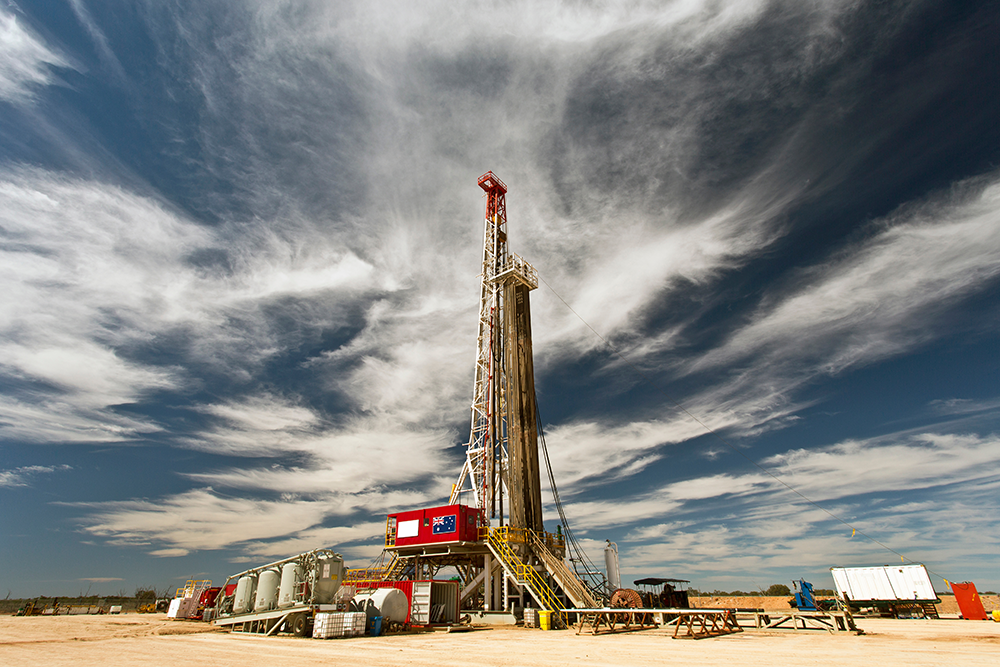
A drilling rig is the machine that drives the drill bit into the ground. The rig consists of multiple systems, including hoisting, rotating, and circulating systems, and is essential for starting a new well.
5. Blowout Preventer (BOP)
A blowout preventer is an oilfield tool that helps ensure safe operations. It does so by preventing the uncontrolled release of crude oil or natural gas from a well. The BOP seals the wellhead, maintaining control over the well during drilling operations.
6. Casing
Casing is a large-diameter pipe inserted into the borehole and cemented in place. It stabilizes the well, prevents contamination of groundwater and provides a conduit for drilling fluids.
7. Mud Pump
Mud pumps circulate drilling fluid (mud) down the drill string and back up the annulus, carrying cuttings to the surface and cooling the drill bit. Because of that, mud pumps are vital for maintaining pressure in the wellbore.
8. Shale Shaker
A shale shaker is used to remove cuttings from the drilling fluid. It separates the solids from the liquid, allowing the clean fluid to be recirculated back into the well.
9. Centrifuge
Centrifuges are oilfield tools used to separate fine solids from the drilling fluid. They spin the fluid at high speeds, forcing the solids to the outer edges where they can be removed.
10. Drill Collar
A drill collar is a thick-walled tubular piece placed above the drill bit. When combined with the drill bit, the drill collar adds weight and stability to the bit to help it penetrate rock formations and maintain verticality.
11. Wellhead
The wellhead is the equipment at the surface of the well that provides structural and pressure-containing interface for the drilling and production equipment.
12. Christmas Tree
A Christmas tree is an assembly of valves, spools and fittings used to control the flow of oil and gas from the well. It is installed on top of the wellhead after drilling is completed.
13. Downhole Motor
A downhole motor, or mud motor, is used in directional drilling. It is placed in the drill string to rotate the bit independently of the drill pipe rotation, allowing for precise control of the borehole direction.
14. Wireline
Wireline refers to a cable used to lower and raise tools and equipment in the well. It is used for logging, well intervention and maintenance operations.
15. Logging Tools
Logging tools are instruments used to measure the geological formation properties. They provide data on the rock and fluid characteristics, which is crucial for decision-making during drilling and production.
16. Perforating Gun
A perforating gun is an oilfield tool used to create holes in the casing and cement to allow oil or gas to flow into the wellbore. It is a key tool in well completion.

17. Packers
Packers are downhole tools used to isolate different sections of the wellbore. They seal the annulus between the casing and tubing, preventing fluid migration and enabling controlled production.
18. Choke Manifold
A choke manifold is used to control the flow rate and pressure of the drilling fluid. It consists of multiple chokes and valves, allowing operators to regulate well pressure during drilling and testing operations.
19. Swivel
A swivel is a mechanical device that allows rotation of the drill string without twisting the hose. It is critical for smooth drilling operations.
20. Hoisting System
The hoisting system is used to raise and lower the drill string, casing and other equipment. It includes components like the drawworks, traveling block, and crown block.
This short list of oilfield tools is just a glimpse into the vast array of equipment used in the oil patch. Each one plays a vital role in ensuring that drilling and production operations are conducted efficiently and safely, ultimately leading to successful oil and gas extraction.