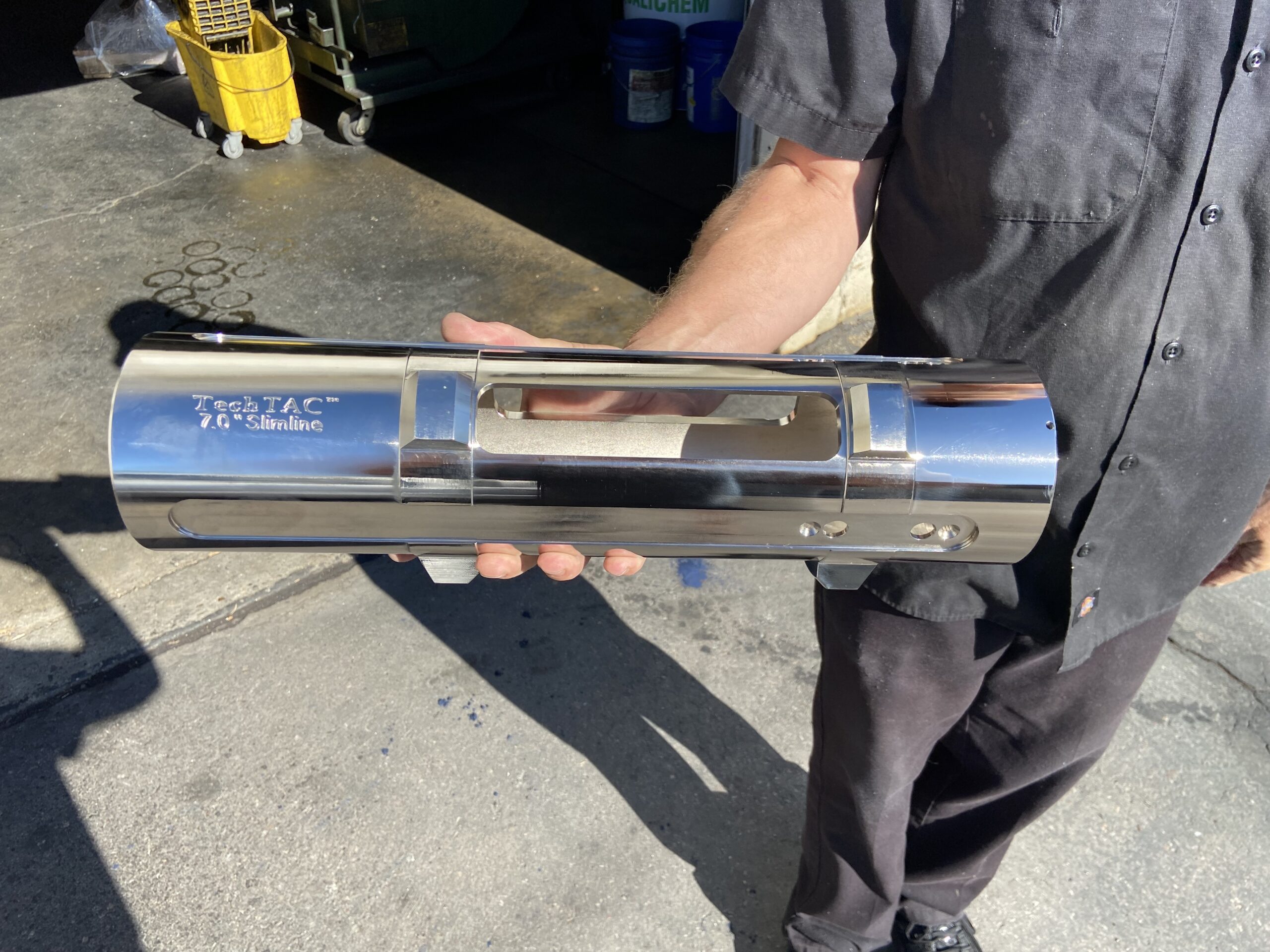
In wells where certain highly corrosive elements are present, coating downhole equipment with nickel can help to inhibit the corrosion that equipment experiences. In turn, operators have more production time before a tool assembly has to be pulled and replaced. That’s why TechTAC® offers nickel-coated TACs as one of the many options within its suite of tubing anchors.
What Causes Excessive Corrosion?
Oil wells can become unusually corrosive due to the presence of certain substances in the extracted fluids. Some of the key substances contributing to this increased corrosion include:
1. Hydrogen Sulfide (H2S) – A highly corrosive gas that can lead to sulfide stress cracking and hydrogen embrittlement in metals. The corrosion caused by H2S is commonly referred to as sour corrosion.
2. Carbon Dioxide (CO2) – This gas causes carbonic acid formation when dissolved in water, leading to a form of corrosion known as sweet corrosion (in contrast to the “sour” corrosion caused by H2S).
3. Water (H2O) – High water content within a well can increase the rate of corrosion for downhole equipment, especially if the water is acidic or contains dissolved gases like CO2 or H2S.
How Does Nickel Coating Help?
Nickel coating, or nickel plating, involves depositing a layer of nickel onto the surface of a product. This coating enhances the product’s corrosion resistance, hardness, and aesthetic appearance. There are several methods for nickel plating, but the two most common are electroplating and electroless plating.
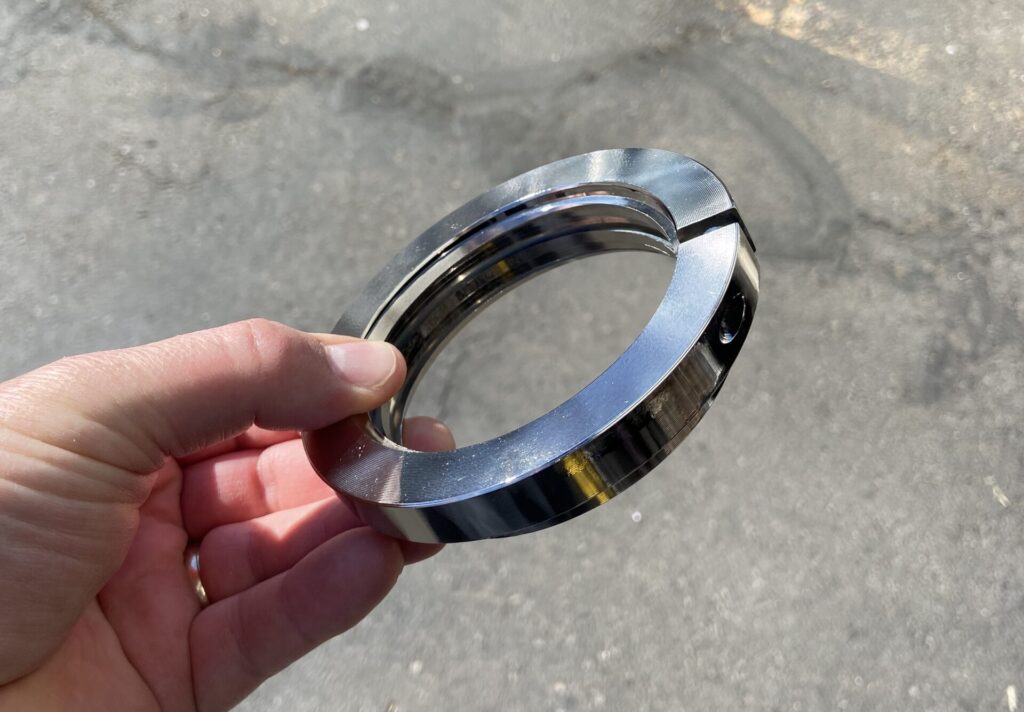
Nickel coating is often used as a protective measure in oil well equipment. It helps slow the corrosion of metal through several mechanisms:
1. Barrier Protection – Nickel coatings provide a physical barrier between the base metal and the corrosive environment, preventing direct contact with corrosive substances like H2S, CO2, and water.
2. Corrosion Resistance – Nickel itself is highly resistant to many forms of corrosion, including pitting and crevice corrosion. Its inert nature in many environments makes it an effective protective layer.
3. Passivation – Nickel can form a passive oxide layer on its surface. This thin, stable layer of nickel oxide further protects the underlying metal by preventing oxidation and reducing the rate of corrosion.
4. Cathodic Protection – When nickel is used in conjunction with other metals, it can serve as a cathodic protector. Nickel, being more noble than many base metals, can reduce the rate of anodic dissolution of the base metal.
5. Erosion Resistance – Nickel coating also provides a harder surface compared to plain carbon steel that is much more resistant to erosion. This is a benefit in wells that exhibit high rates of gas flow in the tubing/casing annulus.
Nickel-Coated TACs from TechTAC®
TechTAC® does offer nickel coating as an option for all sizes and types of its tubing anchors. While not required, or even advised for every well, the nickel-coating process offers engineers, operators and the service companies that support them an option for slowing the effects of corrosion in wells that feature higher amounts of corrosive gases like H2S and CO2.
To learn more about TechTAC’s options for nickel-coated TACs, or to get a quote on a specific product, talk to your TechTAC® representative or contact our team today!